Why use SeaStrut pressure-Adaptive Tubes?
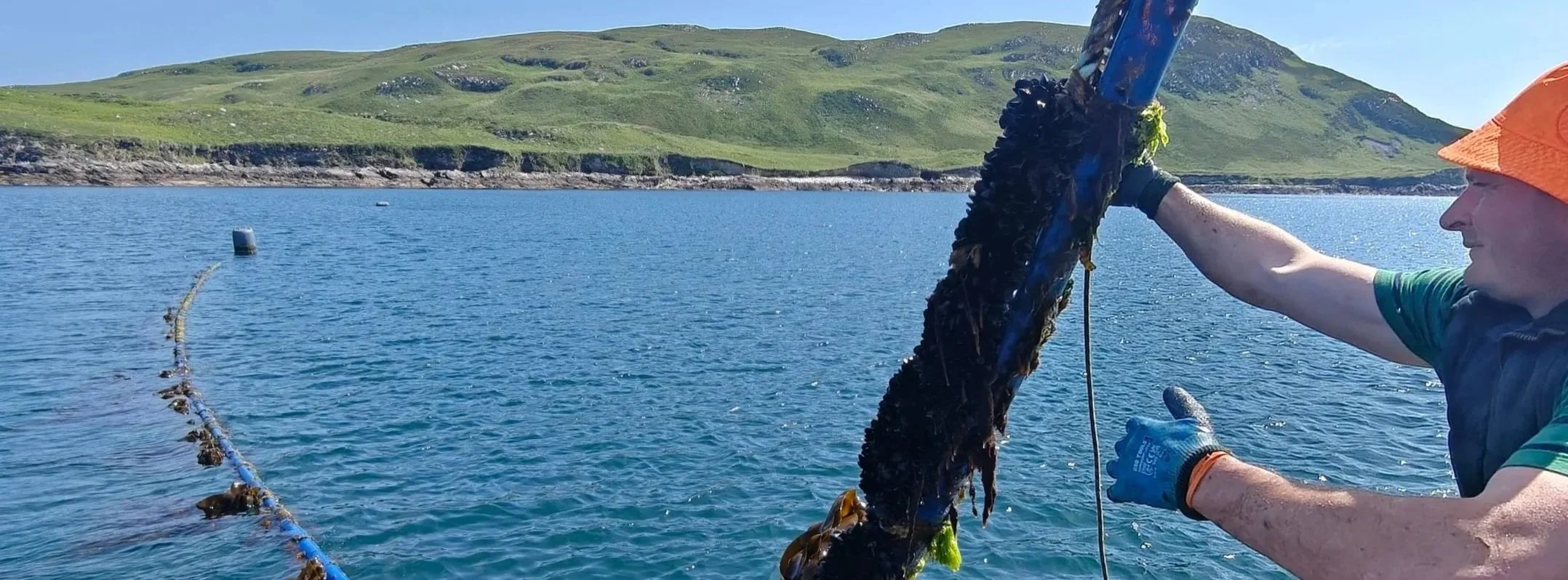
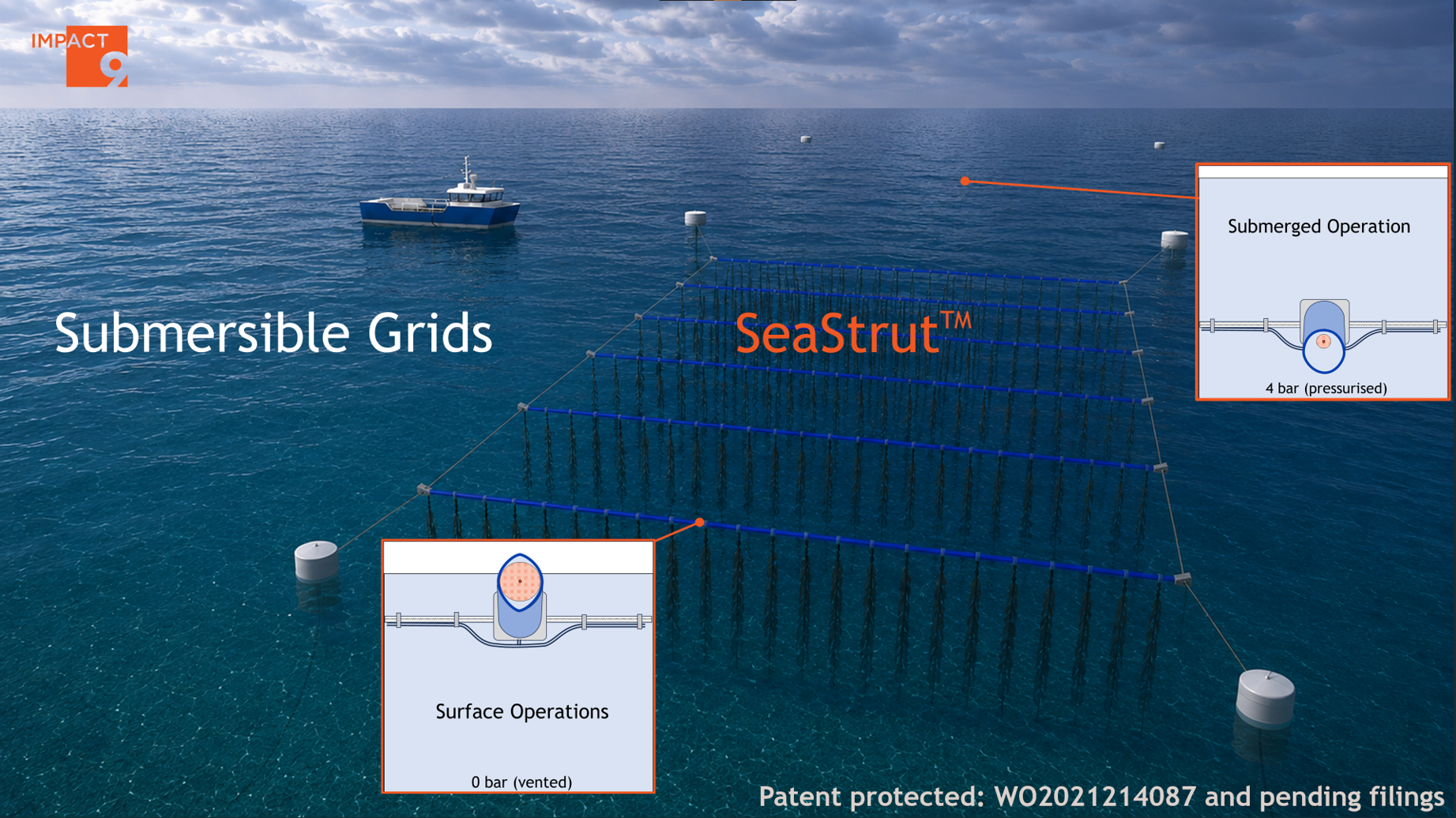
Grids formed by modular SeaStrut pressure adaptive tubes offer a versatile and cost-effective way to spread a variety of aquaculture substrates in dense arrays and in dynamic environments, while controlling buoyancy and submersion. Improvements over conventional farming approaches include:
-
The tube structures do not just replace floats in a conventional system. They replace floats, ropes and spreader bars while offering much enhanced functionality.
Most importantly, these “pressure-supported” inflatable tubes derive their compression strength from internal fluid pressure and not structural materials. They can keep substrates spread in dynamic conditions, without relying on the material strength of compression struts.
They still bend flexibly in waves, with properties that can be varied by internal pressure, and exhibit a safe overload response, whereby they return to their original form when any excess load is removed.
-
SeaStrut tubes are able to keep adjacent substrates separated in dynamic conditions so that they can be installed in denser arrays, maximising the production intensity of a given site.
The ability to slide and secure substrates along the tubes from one end, or deploy towable pre-prepared grid arrays to site, means that less area needs to be kept clear to facilitate boat access.
-
By simply connecting a seawater pump to a single umbilical, an entire grid can be submerged. Ballast stability is maintained throughout the system. Operators may choose to do this to optimise growing conditions, for example: in response to light intensity, surface water temperatures or the presence of invasive species. Learn more about how the submergence control works here.
-
With surface buoyancy reduced to grid corner floats, the visual profile of the system is vastly reduced. Even when surfaced the slender tubes offer very little visual intrusion and the ability to control ballast and compensate automatically for biomass gains means that redundant float volume above the surface is not required. This can greatly aid planning constraints and public acceptance of developments at visually sensitive sites.
-
Due to the addition of energy through pumping seawater to cause submergence, there is stored energy in the compressed gas within the system. Any leak in the system results in slowly increasing buoyancy as ballast leaks under pressure. This results in a tendency to float, not sink, in response to unintended faults.
As biomass accumulates on substrates it is then also possible to use passive pressure activated valves to simply release water to increase buoyancy to compensate for excessive sinking, with no need for operator intervention or to add floats during growth.
-
While the system buoyancy can always be controlled by the operator by simply connecting to a seawater pump on your work boat, the option to integrate wave-activated pumps on grid corner floats means that high pressure water is available to top up pressure to an operating set point, and submerge the system in response to storm energy - all without operator intervention. This allows for self-regulated submerge during stormy periods, with no operator intervention whatsoever.
-
Finally, the inflatable structure, with a smooth outer tubular geometry, offers unique opportunities for connecting and securing substrates. Impact-9 has developed re-usable “quick-connector” solutions that can be snapped onto the grid and slid into place when in a low pressure (buoyant) condition - unfurling the substrate like a curtain along the SeaStrut tube. Once pressurised to the operating condition, attachments are then secured in position to such an extent that abrasion mechanisms are eliminated, prolonging the useful life of the tube materials.
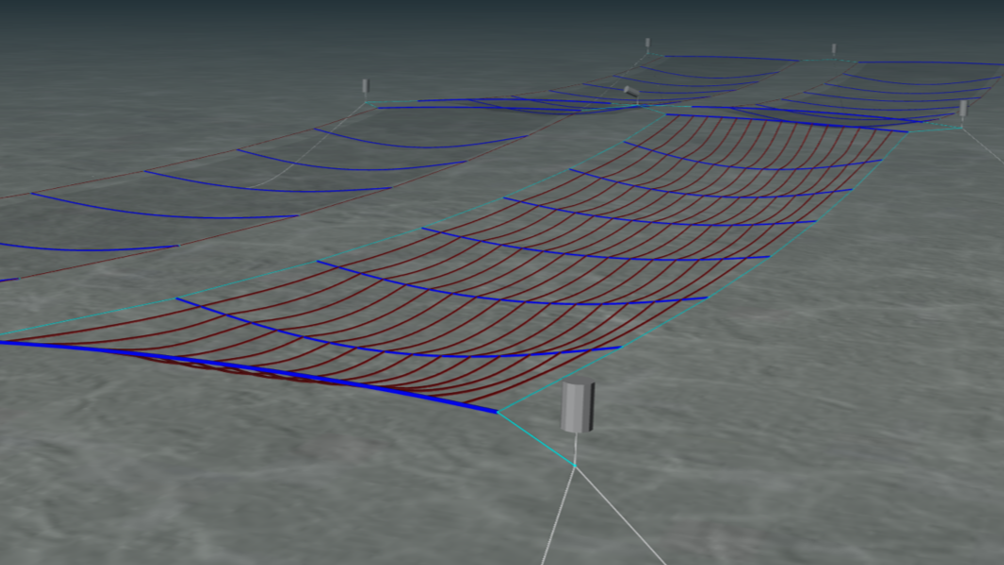
Furthermore, because the tubes are self-stable (they dont rely on mooring tension to spread attached substrates), it is possible to pre-prepare seeded grid assemblies in harbour, before transporting / towing to site and securing as a unit. These provide opportunities to scale operations to offshore zones including to have two-phase growth: towing grids offshore after hold-fasts are established in a short inshore establishment phase.
See here for how Impact-9 can work with operators to tailor production operations for their farm.
Product Offerings
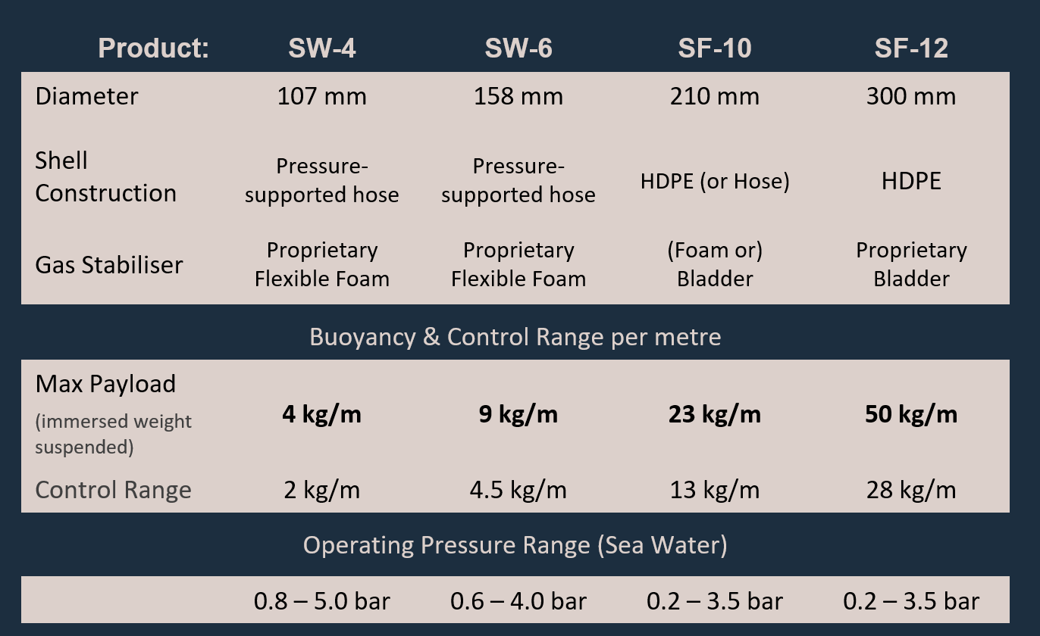
Impact-9 recognises that each farm operator will have a unique site and species-specific needs and solutions, while solutions must integrate seamlessly with your boat capabilities and expanding operational needs. Impact-9 offers an integrated engineering service to help develop your project plans based on a tailored SeaStrut modular grid, proven and scaled for your farm operations. Impact-9 can manage the supply and installation of grid hardware proven for your application. Grids are currently offered based on two tube construction options: HDPE pipe or soft-shell inflatable beam, and for the following buoyancy capacities. Other solutions can be engineered subject to demand. Grids can be arranged in a number of ways to suit seaweed, spat collection and shellfish on-growing, so contact us to discuss what solutions meet your needs.
Interested?
Click on the link below to learn more about the services we provide, or why not reach out and let us know about your technical needs?